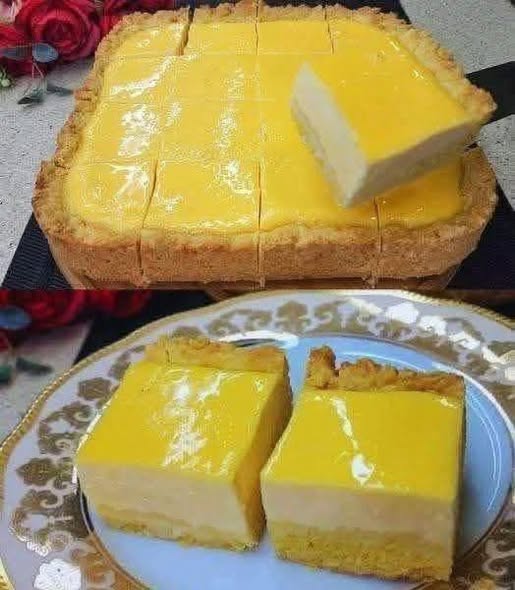
“Whipped cake” is a wonderfully light and versatile concept! It generally refers to cakes where the batter is aerated to an extraordinary degree, often using whipped eggs (whole, whites, or yolks) or sometimes whipped cream as the primary leavening agent, resulting in a texture that’s incredibly light, fluffy, cloud-like, and moist.
The most famous example is likely the Japanese “Whipped Cream Cake” or “Cotton Soft Cheesecake,” but the principle applies to many sponge-style cakes.
Here’s a breakdown of the concept, a master recipe, and the key techniques to achieve that dreamy, airy crumb.
The Philosophy of Whipped Cake
Unlike butter cakes that rely on chemical leaveners (baking powder/soda) and creamed butter for rise, whipped cakes get their structure and lift primarily from air beaten into eggs. This makes them:
-
Extremely light and spongy.
-
Naturally less rich (often using oil or minimal butter).
-
Perfect for soaking up syrups (think tiramisu or trifle).
-
Delicate and tender, with a fine, even crumb.
Master Recipe: Ultimate Vanilla Whipped Sponge Cake
This is a classic Genoise-style sponge, leavened solely by whipped eggs. It’s the perfect blank canvas for layers, berries, frosting, or simply a dusting of powdered sugar.
Prep: 20 mins | Bake: 25-30 mins | Total: 1 hour (+ cooling) | Serves: 8-10
Ingredients:
-
4 large eggs, at room temperature (critical!)
-
¾ cup (150g) granulated sugar
-
1 tsp pure vanilla extract or paste
-
1 cup (120g) cake flour, sifted (all-purpose works, but cake flour is lighter)
-
¼ tsp fine sea salt
-
3 tbsp (45g) unsalted butter, melted and slightly cooled
-
2 tbsp whole milk or buttermilk, at room temperature
Equipment: 8-inch round cake pan, parchment paper, stand mixer or hand mixer, sieve, rubber spatula.
Instructions (The Delicate Process):
1. Prep & Warm:
-
Preheat oven to 350°F (175°C). Line the bottom only of an 8-inch round pan with parchment. Do NOT grease the sides—the batter needs to cling to climb.
-
Create a double boiler: Bring a pot with 1 inch of water to a simmer. In a heatproof bowl (or your stand mixer bowl), combine eggs and sugar. Whisk constantly over the simmering water until the mixture is just warm to the touch (about 100°F / 38°C) and the sugar is dissolved. This step makes the eggs whip up to immense volume.
2. Whip to “Ribbon Stage”:
-
Immediately transfer the warm egg mixture to a stand mixer fitted with the whisk attachment. Beat on high speed for 5-8 minutes until the mixture is very pale, tripled in volume, and forms a thick “ribbon” that holds its shape for a few seconds when the whisk is lifted. This is the entire structure of the cake. Don’t skimp on whipping time.
3. Fold with Zen-like Care:
-
Sift the cake flour and salt over the egg mixture in two or three additions. Using a large rubber spatula, gently fold from the bottom up, rotating the bowl, just until the flour is incorporated. A few streaks are okay; overmixing deflates the batter.
-
In a small bowl, combine the cooled melted butter, milk, and vanilla. Take about 1 cup of the batter and vigorously whisk it into this butter mixture (this “tempers” it and prevents sinking). Then, gently fold this lightened mixture back into the main batter until just combined.
4. Bake & Cool Upside-Down:
-
Immediately pour the batter into the prepared pan. Tap lightly on the counter to release large bubbles.
-
Bake for 25-30 minutes, until the top is golden and springs back when lightly touched, and a toothpick comes out clean.
-
Crucial Step: Remove from oven and immediately invert the pan onto a wire rack. Let it cool completely upside-down in the pan (about 1-2 hours). This prevents the delicate structure from collapsing under its own weight.
5. Release & Serve:
-
Run a thin knife around the edges to release. The cake will be incredibly springy and light.
-
Slice with a serrated knife. Serve with fresh whipped cream and berries, or use as layers for a frosted cake.
